Dog Training Near Me vs. Online Courses: Which Works Better?
Important Tips and Tricks for Mastering Canine Training in the house
Grasping pet training at home calls for a critical technique. Positivity, consistency, and perseverance are key parts. Establishing a regular aids create a complacency for the pet. Utilizing positive support constructs trust and interaction. Nonetheless, several owners have problem with preserving passion and interaction throughout training sessions. Recognizing how to browse these difficulties can result in extra effective training results. What approaches could be most helpful in conquering these usual obstacles?
Develop a Constant Routine
When educating a dog, developing a constant routine is essential for cultivating etiquette and a strong bond in between the proprietor and pet dog. An organized timetable supplies canines with a complacency, aiding them recognize what to anticipate each day. Regular feeding times, workout, and training sessions create a foreseeable setting, which can minimize anxiety and promote a feeling of stability.
Owners need to aim to integrate everyday activities at the same time to reinforce this routine. Early morning walks, playtime, and training exercises ought to occur continually. Furthermore, incorporating commands and hints during these tasks can better improve learning.
Usage Favorable Support
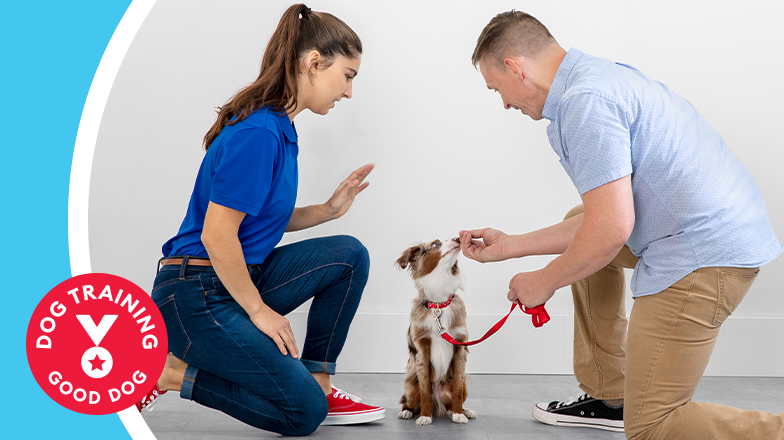
A constant routine lays the groundwork for reliable training, however the methods utilized during training sessions significantly influence a dog's discovering experience. Positive support emerges as an effective device in shaping preferred actions. This approach involves compensating a dog for showing particular activities, effectively encouraging them to duplicate those behaviors (Dog Training Near Me). Rewards can consist of treats, praise, or play, creating a positive organization with the activity executed
Using favorable support promotes a bond of trust fund in between the pet and instructor, boosting communication and understanding. It is vital to deliver incentives instantly after the preferred actions to reinforce the link. Consistency in using this technique guarantees the canine can clearly associate the habits with the reward. Additionally, staying clear of punishment or unfavorable support can lead to an extra confident and enthusiastic learner. By concentrating on positive reinforcement, fitness instructors can produce a supportive environment where canines grow and learn effectively.
Keep Training Sessions Short and Fun
Efficient pet training requires keeping sessions engaging and short to keep the pet dog's focus and enthusiasm. Commonly, sessions must last no more than 10 to 15 minutes, as dogs have actually restricted attention periods. By concentrating on quick intervals, instructors can avoid disappointment for both the trainer and the dog, improving the discovering experience.
Integrating play and favorable communications right into training can make sessions delightful. Utilizing playthings, deals with, or praise as benefits not only inspires the pet dog but also reinforces the bond in between the animal and trainer. Changing activities regularly can additionally help maintain the pet's passion alive, as varied jobs promote psychological engagement.
In addition, ending each session on a favorable note, such as celebrating a little victory, guarantees the dog connects training with enjoyable. Inevitably, maintaining training sessions brief and delightful advertises reliable discovering and strengthens the total training process.
Establish Realistic Goals
Setting sensible objectives is necessary for successful canine training. Trainers must begin by reviewing their pet dog's behavior tendencies and present skills, allowing them to develop attainable purposes. Rather than aiming for intricate commands, beginning with fundamental cues like "rest" or "stay" can cultivate a sense of success.
Furthermore, breaking down larger objectives into smaller sized, manageable steps helps preserve inspiration for both the dog and the trainer. This strategy additionally permits modifications along the road, making sure that obstacles do not become overwhelming.
In addition, it is essential to acknowledge that each pet learns at its very own pace; persistence is vital. Keeping assumptions based helps avoid frustration and motivates constant progression. Dog Training Near Me. To end, establishing sensible objectives not just enhances the training experience but also strengthens the bond between the instructor and the pet, leading to a more reliable and unified training trip
Mingle Your Pet dog
Accomplishing sensible training objectives prepares for a well-shaped dog, yet socializing plays a substantial duty in a dog's growth. Socializing a canine entails revealing it to different environments, people, and other animals, which aids to construct self-confidence and lower stress and anxiety. Early socialization, preferably in between three and fourteen weeks of age, is vital for forming a pet's actions and character. This exposure permits pets to discover ideal communications and establish essential social skills.
Proprietors ought to introduce their pets to different circumstances slowly, ensuring each experience is gratifying and favorable. Checking out parks, attending pup courses, or organizing playdates with other canines can assist in these interactions. Furthermore, discovering and observing other pet dogs from their behaviors can better improve a pet's social skills. Ultimately, favorable and consistent socialization cultivates a well-adjusted canine that comfortably browses various social setups throughout its life.
Hold Your Horses and Consistent
Persistence is vital. Routine practice strengthens behaviors and commands, making certain that the canine preserves what has been found out. It is essential to commemorate tiny victories, as they motivate both the owner and the pet to keep advancing. Recognizing setbacks as part of the trip instead of failures can assist preserve inspiration. Inevitably, a client and consistent approach not only builds a stronger bond between pet dog and proprietor yet also lays the foundation for effective training and enduring obedience.
Incorporate Educating Into Every Day Life
Incorporating training right into every day life can boost a canine's learning experience. Regular activities, such as strolling or feeding, existing valuable chances for positive reinforcement. By seamlessly mixing training with everyday actions, owners can grow better actions in their pets in time.
Daily Routine Integration
Just how can pet dog owners perfectly mix training into their daily regimens? By integrating training sessions into everyday tasks, owners can boost their dog's discovering experience. For circumstances, simple commands can be practiced throughout strolls, such as "rest" prior to crossing streets or "heel" while navigating via parks. Feeding time offers one more possibility; proprietors can incorporate commands like "wait" or "leave it" before providing the food bowl. Furthermore, play can offer as a training ground for commands like "fetch" or "drop it." Consistency is essential; by embedding training into routine tasks, dogs learn that commands matter in different contexts. This technique not just strengthens understanding but also strengthens the bond between the dog and its owner.
Positive Support Opportunities
Training opportunities abound throughout a dog's every day life, especially when combined with positive support methods. Daily activities give minutes for training, such as throughout strolls, feeding times, or play sessions. For example, awarding a pet for sitting prior to getting food improves obedience while cultivating a positive association with commands. Likewise, applauding a dog for steadly greeting guests enhances preferable actions. Including training into playtime, like using fetch to exercise commands, can additionally be efficient. Owners need to remain consistent, making use of deals with, appreciation, or toys as incentives to motivate etiquette. By integrating training perfectly right into everyday regimens, owners can grow a well-behaved pet while enhancing their bond, making the training process satisfying for both parties.
Regularly Asked Questions
What Age Is Ideal to Start Educating My Canine?
Determining the finest age to start training a canine differs; however, specialists typically recommend beginning around 8 weeks. Early training fosters socializing, establishes regimens, and aids shape favorable actions, promoting a you can check here well-adjusted, loyal companion.
Just How Can I Stop My Canine From Barking Exceedingly?
To find reduce extreme barking, one reliable method entails identifying triggers, supplying regular training commands, and rewarding peaceful actions. In addition, regular workout and mental excitement can aid minimize unnecessary barking by attending to dullness or stress and anxiety.
What Should I Do if My Pet Becomes Aggressive?
When a dog displays aggression, it is necessary to remain calm and prevent battle. Recognizing triggers, seeking professional help, and utilizing favorable reinforcement techniques can efficiently handle and minimize hostile habits in pet dogs.
Exactly how Do I Pick the Right Training Tools?
Selecting the ideal training devices includes examining the dog's temperament, dimension, and training objectives. Study numerous alternatives, seek advice from specialists, and focus on humane, efficient tools that promote favorable support for a successful training experience.
Can I Train My Pet Without Professional Assistance?
Educating a pet without professional aid is practical for several owners. With dedication, persistence, and constant technique, people can effectively educate basic commands and reinforce positive habits, promoting a solid bond in between them and their pet dog.
A consistent routine lays the groundwork for efficient training, however the approaches made use of throughout training sessions greatly affect a pet's understanding experience. Reliable dog training requires maintaining sessions brief and interesting to maintain the canine's attention and enthusiasm. Achieving realistic training goals lays the groundwork for an all-round pet dog, however socialization plays a significant role in a dog's development. Additionally, finding out and observing various other pet dogs from their habits can even more improve a pet dog's social skills. Choosing the right training devices includes assessing the canine's training, size, and character objectives.